

What Is an Ambidextrous AR-15 Lower Receiver?
Features, Benefits, and What to Know
The AR-15 platform is known for its modularity, customization options, and adaptability. From aftermarket triggers and handguards to upgraded receivers and controls, firearm enthusiasts have numerous ways to configure their rifles around individual preferences. One upgrade that has become increasingly popular is the ambidextrous AR-15 lower receiver.
But what exactly makes a lower receiver ambidextrous, and how does it differ from a traditional AR-15 lower?
An ambidextrous AR-15 lower receiver is designed to accommodate controls on both sides of the firearm, making certain functions accessible from either side. This can provide additional flexibility for left-handed shooters, right-handed shooters, and anyone interested in a more versatile rifle configuration.
Understanding the features of an ambidextrous lower receiver can help buyers determine whether this type of receiver is worth considering for their next AR-15 build.
Our team at Next Level Armament is breaking it down.
What Is an Ambidextrous AR-15 Lower Receiver?
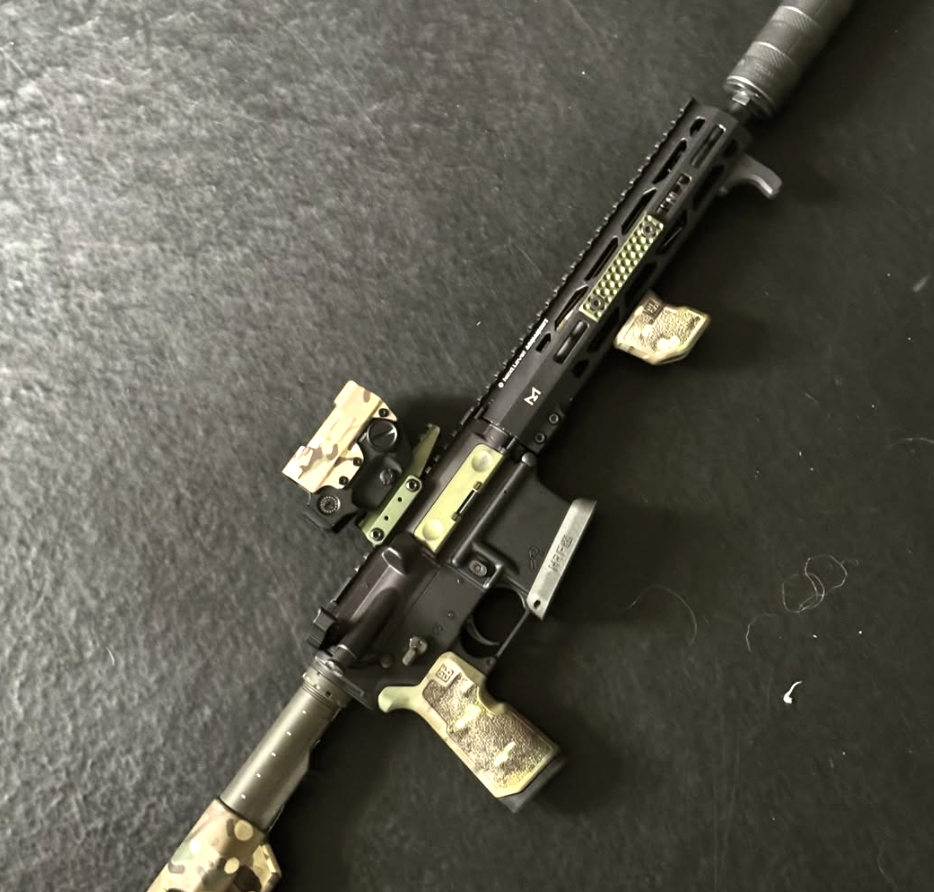
An ambidextrous AR-15 lower receiver is a receiver designed with controls or control interfaces that can be operated from both the left and right sides of the firearm.
On a traditional AR-15, several controls are primarily designed around right-handed operation. Depending on the receiver configuration, this can make certain functions less convenient for left-handed shooters, so if you are building a custom AR, then this is something to consider.
Ambidextrous receivers address some of these limitations by incorporating additional control interfaces into the lower receiver.
Common ambidextrous features may include:
-
Ambidextrous Magazine Release: Provides magazine release controls accessible from either side.
-
Ambidextrous Bolt Catch and Release: Offers controls on both sides for operating the bolt catch and release functions.
-
Ambidextrous Safety Selector: Allows the safety selector to be accessed from either side.
-
Enhanced Control Placement: Receiver designs may incorporate additional features intended to improve accessibility and ergonomics.
Not every ambidextrous lower receiver includes all these features. Some receivers incorporate only select ambidextrous controls, while others are designed around a more comprehensive ambidextrous configuration.
It is important to distinguish between a fully ambidextrous lower receiver and a standard lower receiver equipped with aftermarket ambidextrous accessories.
Ambidextrous vs. Standard AR-15 Lower Receivers
The biggest difference between standard and ambidextrous AR-15 lower receivers is control accessibility.
Traditional AR-15 receivers generally feature controls positioned primarily for right-handed operation. While left-handed shooters can operate a standard AR-15, certain controls may require additional movement or adjustments.
Ambidextrous receivers provide additional control access on the opposite side, offering a more adaptable configuration.
Here are some of the primary differences:
| Feature | Standard Lower Receiver | Ambidextrous Lower Receiver |
|---|---|---|
| Magazine Release | Typically one-sided | May offer access from both sides |
| Bolt Catch/Release | Typically left-side control | May include controls on both sides |
| Safety Selector | Standard selector configuration | Ambidextrous selector compatibility or integration |
| Left-Handed Accessibility | May require additional adjustments | Designed for improved accessibility |
| Control Configuration | Traditional layout | Expanded control options |
The exact features depend on the receiver manufacturer and model. Buyers should always review the product specifications to understand which controls are included and which require separate components.
What Are the Benefits of an Ambidextrous AR-15 Lower Receiver?

Ambidextrous lower receivers offer several potential advantages, particularly for shooters who prefer additional control accessibility.
1. Improved Accessibility for Left-Handed Shooters
One of the primary reasons people consider an ambidextrous AR-15 lower receiver is improved accessibility for left-handed shooters.
Because traditional AR-15 controls are largely designed around right-handed operation, left-handed users may find certain functions less convenient.
An ambidextrous receiver provides additional control interfaces that can make the platform more accommodating.
This allows left-handed shooters to explore a receiver configuration that better matches their preferences without relying exclusively on aftermarket accessories.
2. More Versatility for Different Users
An ambidextrous receiver can also be appealing for rifles that may be used by multiple people.
For example, someone who owns several AR-15 platforms may prefer a more standardized control layout across their collection. Ambidextrous controls can provide additional flexibility regardless of a shooter’s dominant hand.
This versatility can also make ambidextrous receivers appealing to buyers who simply prefer having additional control options.
3. Additional Customization Options
The AR-15 platform is popular partly because of its extensive customization possibilities.
Ambidextrous lower receivers provide another way to personalize a rifle’s configuration.
Depending on the receiver, buyers may have access to integrated controls, specialized receiver features, and compatibility with additional aftermarket components.
Some manufacturers also incorporate distinctive machining, finishes, and design elements that differentiate their receivers from conventional options.
4. A More Adaptable Receiver Configuration
An ambidextrous receiver can provide additional flexibility when selecting other compatible components.
Rather than relying entirely on a traditional receiver layout, buyers can consider different control configurations based on their preferences.
However, compatibility is important. Not every aftermarket component works with every receiver design, so buyers should verify manufacturer specifications before selecting additional parts.
Are All Ambidextrous AR-15 Lower Receivers the Same?
No. Ambidextrous AR-15 lower receivers can differ considerably in their design, features, and compatibility.
Some manufacturers offer receivers with integrated ambidextrous controls, while others provide receivers designed to accommodate specific aftermarket components.
There are several factors worth considering when comparing different models.
Integrated vs. Aftermarket Controls
Some receivers incorporate ambidextrous controls directly into their design. Others require separately purchased components to achieve a similar configuration.
Material and Construction
AR-15 lower receivers are commonly manufactured from aluminum alloys, although materials and manufacturing methods vary between manufacturers. Buyers should review material specifications, manufacturing details, and product documentation.
Component Compatibility
Compatibility is particularly important when selecting an ambidextrous lower receiver. Certain designs may require specific control components or proprietary interfaces.
Manufacturing Quality
Machining quality, dimensional consistency, finishing, and manufacturer quality control are important considerations when evaluating any AR-15 receiver.
Ergonomics
Control placement and accessibility can vary between designs. Buyers should consider which features matter most to their preferred configuration.
Billet vs. Forged Ambidextrous Lower Receivers

Another consideration when shopping for an AR-15 lower receiver is how it is manufactured.
Two common manufacturing methods are billet machining and forging.
Billet Lower Receivers
Billet lower receivers are machined from a solid block of material, commonly aluminum. This manufacturing process provides manufacturers with greater design flexibility, allowing for more distinctive shapes, integrated features, and customized aesthetics.
Billet receivers are often popular among enthusiasts interested in specialized designs and premium finishes.
Forged Lower Receivers
Forged lower receivers are produced by shaping metal under significant pressure before additional machining and finishing operations.
Forging is a well-established manufacturing method used throughout the firearm industry. Forged receivers are often selected for their established manufacturing processes and traditional design.
Neither manufacturing method automatically makes a receiver superior in every category. Design, material specifications, manufacturing quality, and quality control all matter when evaluating a particular product.
What Should You Look for When Buying an Ambidextrous AR-15 Lower Receiver?
If you’re considering an ambidextrous lower receiver for your next AR-15 project, there are several things worth evaluating before making a decision.
-
Control Features: Determine whether the receiver includes ambidextrous magazine release, bolt catch, and safety selector features.
-
Compatibility: Verify compatibility with the intended upper receiver and other manufacturer-approved components.
-
Manufacturing Method: Understand whether the receiver is billet, forged, or manufactured using another process.
-
Material Specifications: Review the alloy and construction details provided by the manufacturer.
-
Ergonomics: Consider the accessibility and placement of the controls.
-
Manufacturer Reputation: Research the manufacturer’s product support, quality control, and warranty information.
It is also important to understand that an ambidextrous lower receiver does not automatically make an entire AR-15 fully ambidextrous. Other components and controls may still follow a traditional configuration.
Are Ambidextrous AR-15 Lower Receivers Worth It?
Whether an ambidextrous AR-15 lower receiver is worth considering depends on personal preferences and the intended configuration.
For left-handed shooters, additional control accessibility may be a particularly appealing feature. Right-handed shooters may also appreciate the flexibility and customization options offered by an ambidextrous design.
However, not everyone needs an ambidextrous receiver. Shooters who are comfortable with traditional AR-15 controls may find that a standard lower receiver meets their requirements.
Ultimately, the decision comes down to control preferences, compatibility, manufacturing quality, and the features offered by a particular receiver.
Explore AR-15 Components From Next Level Armament
Choosing the right lower receiver is an important consideration when researching AR-15 components. Whether you’re interested in ambidextrous controls, specialized receiver designs, or other aftermarket upgrades, understanding the available options can help you make a more informed decision.
Next Level Armament focuses on precision-engineered firearm components designed for enthusiasts who value quality manufacturing and attention to detail.
Explore Next Level Armament’s product selection to learn more about its AR-platform components and discover options for your next project.
Visit Next Level Armament to explore its lineup of firearm components and learn more about the features that distinguish its products.



Leave a Reply
You must be logged in to post a comment.