
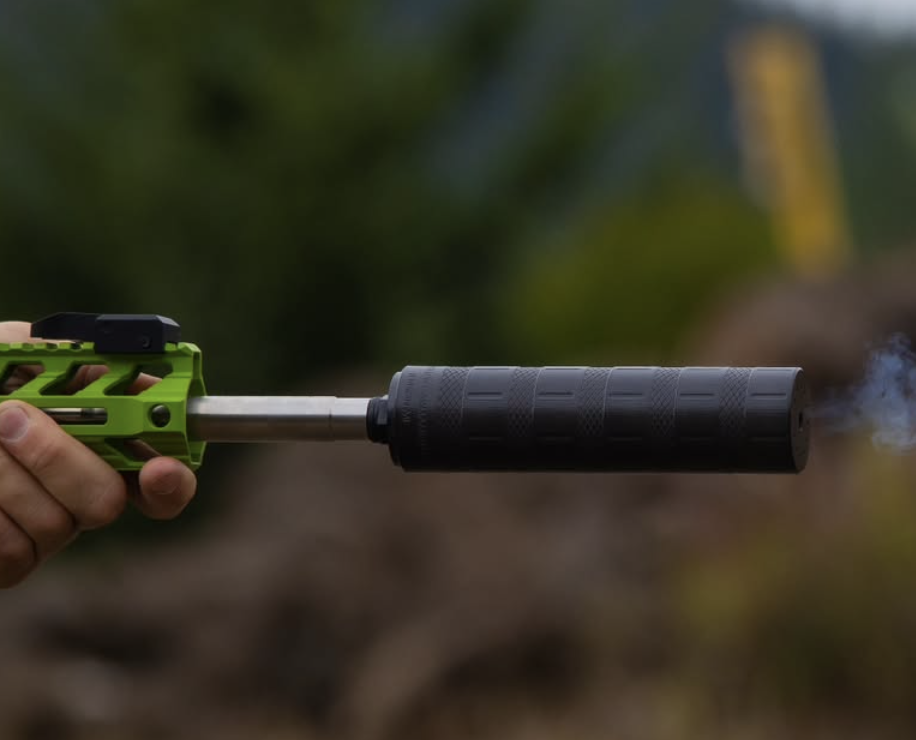
Huge NFA Updates in October 2026
What the New Rules Mean for Suppressors, SBRs and More
The rules surrounding National Firearms Act (NFA) firearms have changed significantly in 2026, with new guidance from the Bureau of Alcohol, Tobacco, Firearms and Explosives (ATF) changing how the federal government handles several categories of NFA-regulated items.
For firearm owners, one of the biggest changes involves suppressors, along with short-barreled rifles (SBRs), short-barreled shotguns (SBSs), and certain “any other weapons” (AOWs).
The changes could make acquiring certain NFA items considerably simpler at the federal level. However, gun owners should understand exactly what has changed, what requirements remain, and how state laws can affect ownership.
Our team at Next Level Armament is going to break it down.
What Changed With the NFA in 2026?
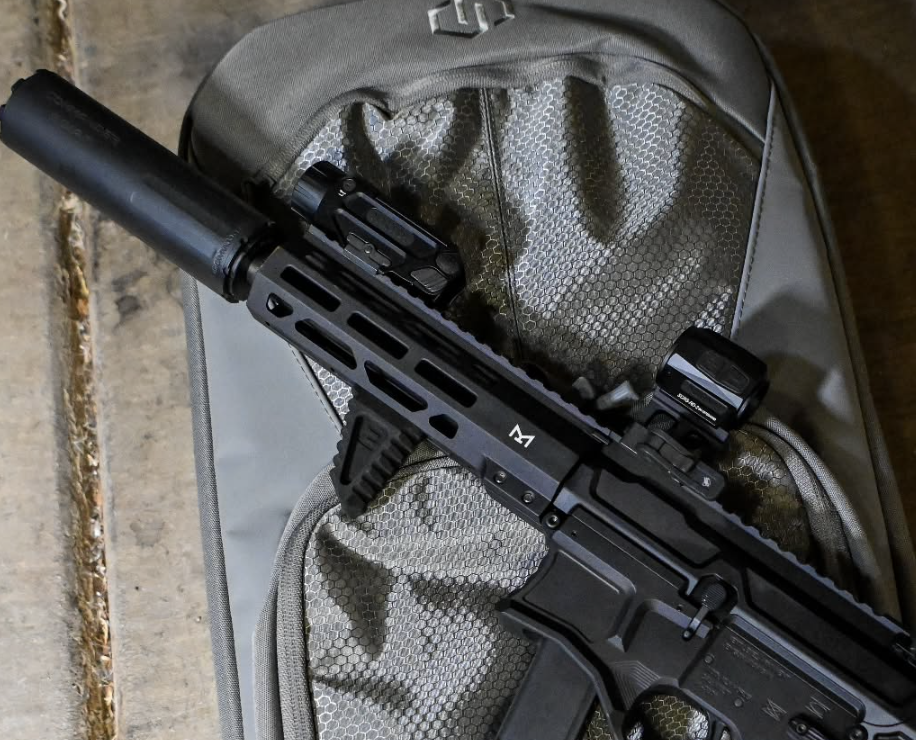
The latest ATF guidance follows changes to federal law that reduced the NFA making and transfer tax to $0 for certain covered firearms and devices.
The affected categories include:
-
Suppressors
-
Short-barreled rifles
-
Short-barreled shotguns
-
Certain AOWs
Under the ATF’s current enforcement position, the agency will no longer enforce certain NFA requirements for these categories, including the traditional $200 making or transfer tax and associated prior-approval requirements.
However, this does not mean that every NFA restriction has disappeared.
Machine guns and destructive devices remain subject to the applicable NFA requirements, including the $200 tax.
What Does the NFA Change Mean for Suppressors?
Suppressors are one of the categories most directly affected by the new rules.
Historically, purchasing a suppressor involved the NFA transfer process, including the applicable tax and ATF approval. The 2026 changes eliminate the federal $200 tax for covered suppressor transactions under the current ATF guidance.
That represents a substantial change for firearm owners interested in adding a suppressor to their collection.
Looking for a Suppressor?
With the federal landscape changing, now is a good time to explore your suppressor options.
Next Level Armament offers suppressor solutions designed for firearm owners looking for quality construction, reliable performance and modern design.
Whether you’re researching your first suppressor or looking to add another option to your collection, take a look at what Next Level Armament has to offer.
Shop Next Level Armament suppressors and find the right setup for your firearm.
Do You Still Need an NFA Tax Stamp?
Under the ATF’s new guidance, the traditional $200 NFA tax does not apply to covered suppressors, SBRs, SBSs and qualifying AOWs.
The ATF has also stated that it will no longer enforce certain prior-approval and registration requirements for these categories.
However, firearm owners should not assume that the entire NFA process has disappeared.
The ATF continues to maintain NFA forms and registration systems, and voluntary registration remains possible. Additionally, other federal firearm laws continue to apply.
Most importantly, state and local laws have not automatically changed because of the federal update.
Are Suppressors Completely Unregulated Now?
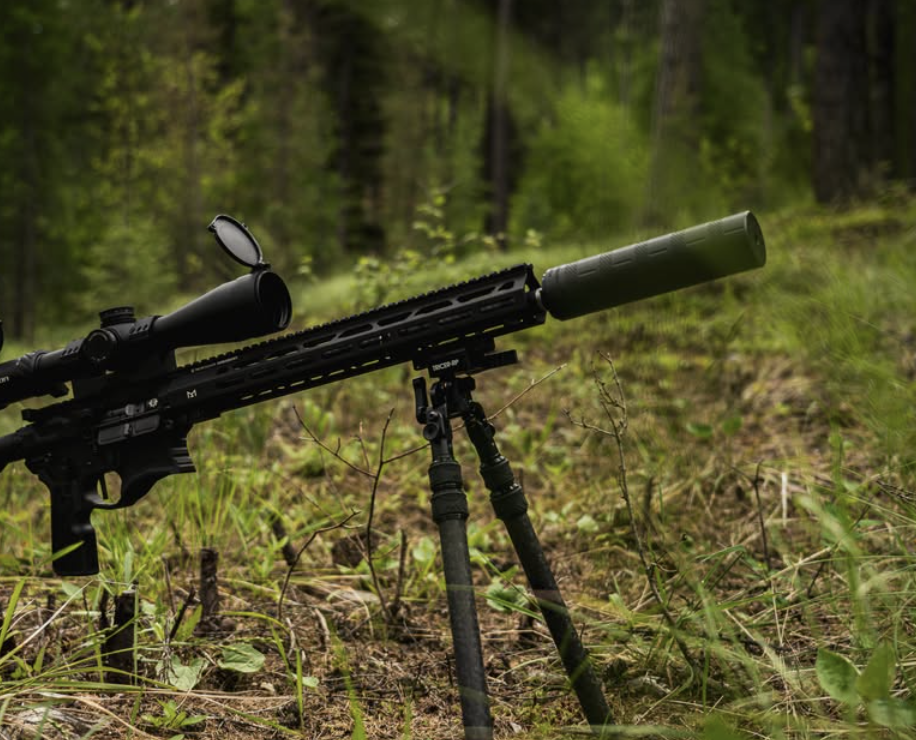
No.
This is an important distinction.
Although the NFA requirements have changed for covered suppressors, suppressors remain firearms under the federal Gun Control Act (GCA). Federal requirements applicable to firearms and firearm dealers can still apply.
Licensed firearms dealers must continue to follow applicable federal requirements, including background-check, recordkeeping and transfer rules.
Additionally, individual states may impose their own requirements.
A suppressor that is legal under federal law may still be restricted or prohibited under the laws of a particular state.
Why the Changes Matter for Suppressor Buyers
The $0 federal NFA tax represents a significant potential cost reduction for suppressor buyers.
It also changes the economics of adding a suppressor to a firearm setup.
For years, the additional $200 federal tax was an important consideration for anyone researching suppressors. With that tax now reduced to $0 for covered items under the new federal framework, buyers can focus more heavily on the characteristics that actually matter when selecting a suppressor.
These can include:
-
Overall length
-
Weight
-
Sound performance
-
Mounting system
-
Intended firearm platform
-
Durability
-
Manufacturer support
Choosing the Right Suppressor
Not every suppressor is designed for the same application.
A suppressor intended for a compact firearm may have different characteristics than one designed for a high-volume rifle setup. Understanding how the suppressor will be used is an important part of choosing the right product.
Next Level Armament gives firearm owners another option when comparing modern suppressor designs.
If you’re considering a new suppressor, research the specifications, compatibility and intended application before making a purchase.
Ready to take a closer look? Explore Next Level Armament suppressors and see which option fits your setup.
What About Short-Barreled Rifles?
SBRs are also included in the ATF’s updated enforcement position. The new federal policy changes the way certain NFA requirements apply to SBRs, including the traditional $200 tax and prior-approval process.
However, the ATF has emphasized that other federal requirements can remain applicable.
For example, transportation requirements involving SBRs and SBSs can still apply when moving these firearms across state lines.
As with suppressors, firearm owners should also check state laws before building, throwing a stock on their pistol, purchasing or transporting an SBR.
What About Short-Barreled Shotguns?
Short-barreled shotguns are treated similarly under the updated federal framework.
The $0 NFA tax applies to covered SBS transactions, but other federal and state firearm laws can still apply.
The change should therefore be viewed as a major modification to federal NFA enforcement—not as a complete removal of firearm regulations.
What About Machine Guns?
Machine guns are different.
The latest ATF guidance does not place machine guns in the same $0-tax category as suppressors, SBRs, SBSs and certain AOWs.
The applicable NFA requirements for machine guns remain in place.
The same is true for destructive devices.
This distinction is important because the term “NFA update” can make it sound like every NFA firearm is now treated the same way. That is not the case.
State Laws Still Matter
One of the most important things firearm owners should remember is that federal law is not the only consideration.
States can maintain their own firearm restrictions even when federal requirements change.
Before purchasing or possessing a suppressor, SBR, SBS or other regulated firearm, check the laws that apply where you live.
This is particularly important for anyone traveling with firearms across state lines.
What Should Suppressor Buyers Do Now?
The changing NFA landscape gives firearm owners a reason to reevaluate their options.
If you’ve been considering a suppressor but previously hesitated because of the $200 federal tax, the new $0 tax structure could make the decision significantly different.
Start by determining:
-
What firearm the suppressor will be used with
-
What caliber it needs to support
-
How frequently it will be used
-
Whether size or weight is a major consideration
-
What mounting system is appropriate
-
What state and local laws apply
From there, compare suppressors based on their actual specifications and intended applications.
Next Level Armament suppressors are worth a look for firearm owners researching their next suppressor. Explore the available options and find a model that matches your needs.
The Bottom Line on the 2026 NFA Update
The 2026 ATF changes represent a major shift in the federal treatment of several NFA-regulated items.
For suppressors, SBRs, SBSs and certain AOWs, the federal government has moved away from the traditional $200 NFA tax and associated prior-approval requirements under the current ATF enforcement policy.
But the changes do not mean that firearm laws have disappeared.
The Gun Control Act remains relevant, state and local laws can impose additional restrictions, and certain NFA categories—including machine guns and destructive devices—remain subject to their existing requirements.
For suppressor owners and prospective buyers, however, the changes create a significantly different federal landscape.
If you’ve been waiting for the right time to explore suppressor ownership, check out Next Level Armament and see what today’s suppressor options have to offer.
Be sure to check out Next Level Armament and follow us on Instagram!
This article is for informational purposes only and is not legal advice. Federal, state and local firearm laws can change. Always verify the laws and regulations applicable to your specific situation before purchasing, possessing, transporting or modifying a firearm or suppressor.


Leave a Reply
You must be logged in to post a comment.