
How to Choose the Right Caliber for Your First AR
Whether You’re Building or Buying, Caliber Matters
Choosing the right caliber for your first AR-style rifle is one of the most important decisions you’ll make as a new rifle owner. Your caliber selection impacts recoil, accuracy, ammunition cost, availability, and how well the rifle performs for your intended use. With the AR platform offering more caliber options than almost any other rifle system, knowing where to start can make all the difference.
This guide from our team at Next Level Armament will help you understand the most common AR calibers, explain which ones are best for beginners, and show you how to choose a setup that fits your goals—whether you plan to buy a complete rifle or build one from the ground up.
Understanding the AR Platform
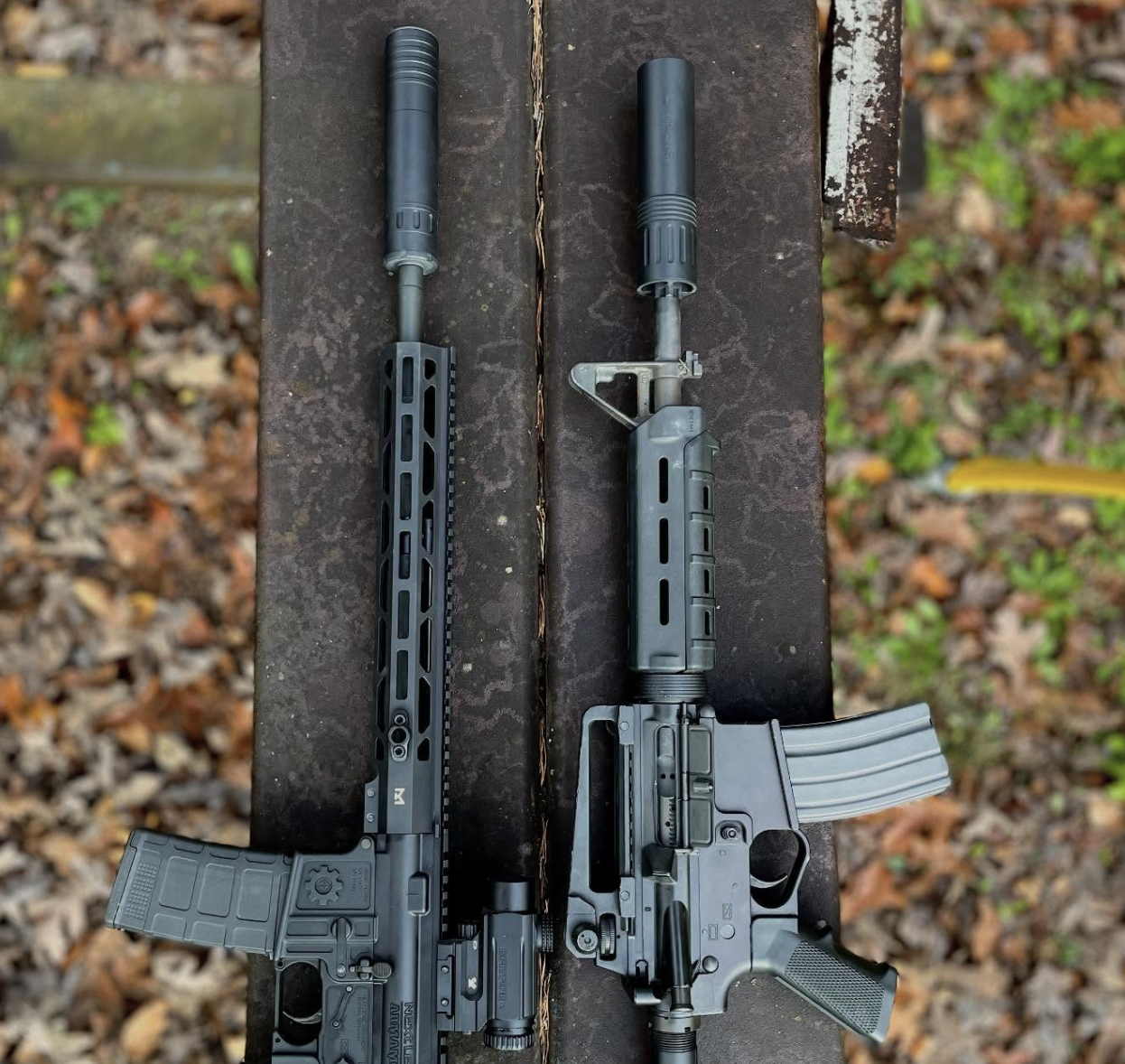
The AR platform is the most popular rifle on the market right now, known for its modularity and adaptability. While the AR-15 is most commonly chambered in 5.56 NATO, it can be configured to run multiple calibers simply by changing components such as the upper receiver, barrel, the bolt carrier group, and magazines.
For first-time AR owners, choosing a caliber that offers reliability, simplicity, and affordability is key. A well-supported caliber also makes future upgrades and maintenance easier.
Start by Defining Your Purpose
Before selecting a caliber, identify how you plan to use your AR. This will help you in the long run too, when it comes to adding things like optics, upgraded grips, barrel attachments like suppressors, or even just upgrading the hand guards. The most common purposes include:
-
Target shooting and training
-
Competition
-
Hunting
-
General recreational shooting
Your primary use should guide your caliber choice. A versatile, easy-to-shoot caliber will provide the best experience for most new owners.
5.56 NATO / .223 Wylde – The Best Caliber for First-Time AR Owners
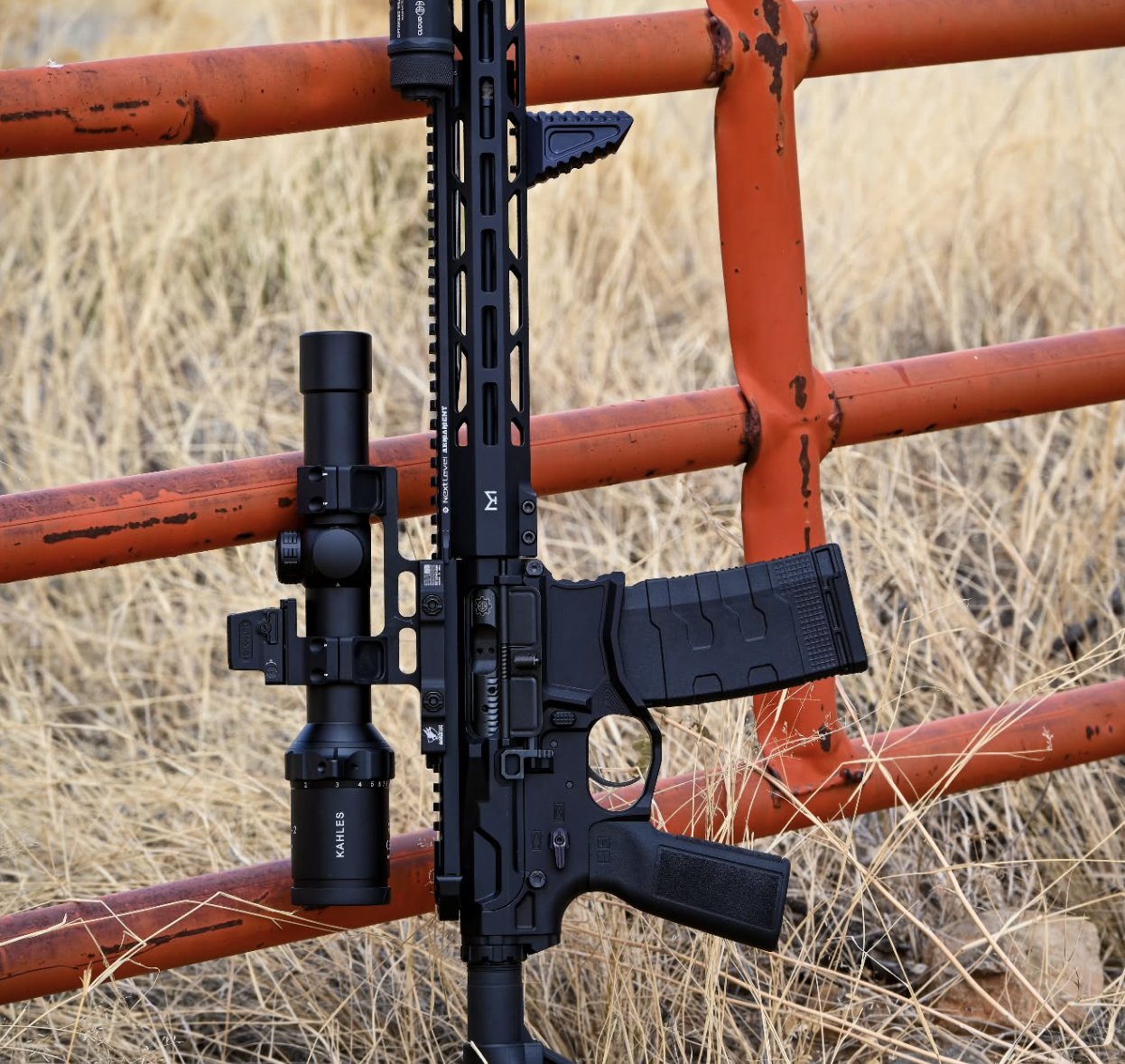
For the majority of shooters, 5.56 NATO or .223 Wylde is the best caliber for a first AR. It is the most common AR round out there as of now.
Why 5.56 Is Ideal for Beginners
-
Low recoil and easy handling
-
Affordable and widely available ammunition
-
Excellent reliability across barrel lengths
-
Massive aftermarket support
-
Suitable for training, home defense, and competition
A rifle chambered in .223 Wylde allows you to safely fire both .223 Remington and 5.56 NATO ammunition, giving you maximum flexibility and ammunition options.
Best Uses:
-
First AR rifle
-
Range training and skill development
-
Home defense
-
All-purpose shooting
If you want a dependable, cost-effective, and easy-to-maintain caliber, 5.56 NATO is the clear starting point.
.300 Blackout – A Purpose-Built Caliber
.300 Blackout was designed for short-barrel rifles and suppressed use. While this subsonic round is effective, it is more specialized and less forgiving for beginners.
Pros:
-
Optimized for short barrels
-
Excellent suppressed performance
-
Strong terminal ballistics at close range
Cons:
-
Higher ammunition cost
-
Reduced effective range
-
Requires careful ammo management
Best For:
-
Suppressed AR builds
-
Compact home defense setups
-
Shooters with a specific use case
For a first AR, .300 Blackout is best chosen only if you already plan to run a suppressor or a short-barrel configuration.
7.62×39 – Increased Impact with Trade-Offs
The 7.62×39 cartridge brings heavier bullets and increased energy, but it introduces some challenges within the AR platform.
Pros:
-
Strong close-range performance
-
Affordable ammunition
-
Familiar ballistics for AK shooters
Cons:
-
Increased recoil
-
Magazine and bolt reliability considerations
-
Less accuracy at longer distances
Best For:
-
Short- to mid-range shooting
-
Shooters familiar with AK-style ballistics
While viable, 7.62×39 is typically better as a secondary AR caliber rather than a first-time choice.
.308 Winchester – Full-Power Performance with Added Considerations
The .308 Winchester is a proven, full-power rifle cartridge commonly used in hunting, long-range shooting, and professional applications. While it offers excellent ballistic performance, it operates on a larger AR platform and comes with additional considerations that first-time buyers should understand.
Unlike 5.56 NATO, .308 is typically used in AR-10–style rifles, not standard AR-15s. These rifles are larger, heavier, and use different components, including receivers, bolts, barrels, and magazines. This means parts compatibility and cost are significantly different compared to traditional AR-15 builds.
Pros of .308 Winchester
-
Excellent long-range accuracy and ballistic performance
-
High energy and penetration, suitable for hunting large game
-
Performs well out of longer barrels
-
Widely used and well-supported cartridge
9mm AR – Training-Focused, Limited Range
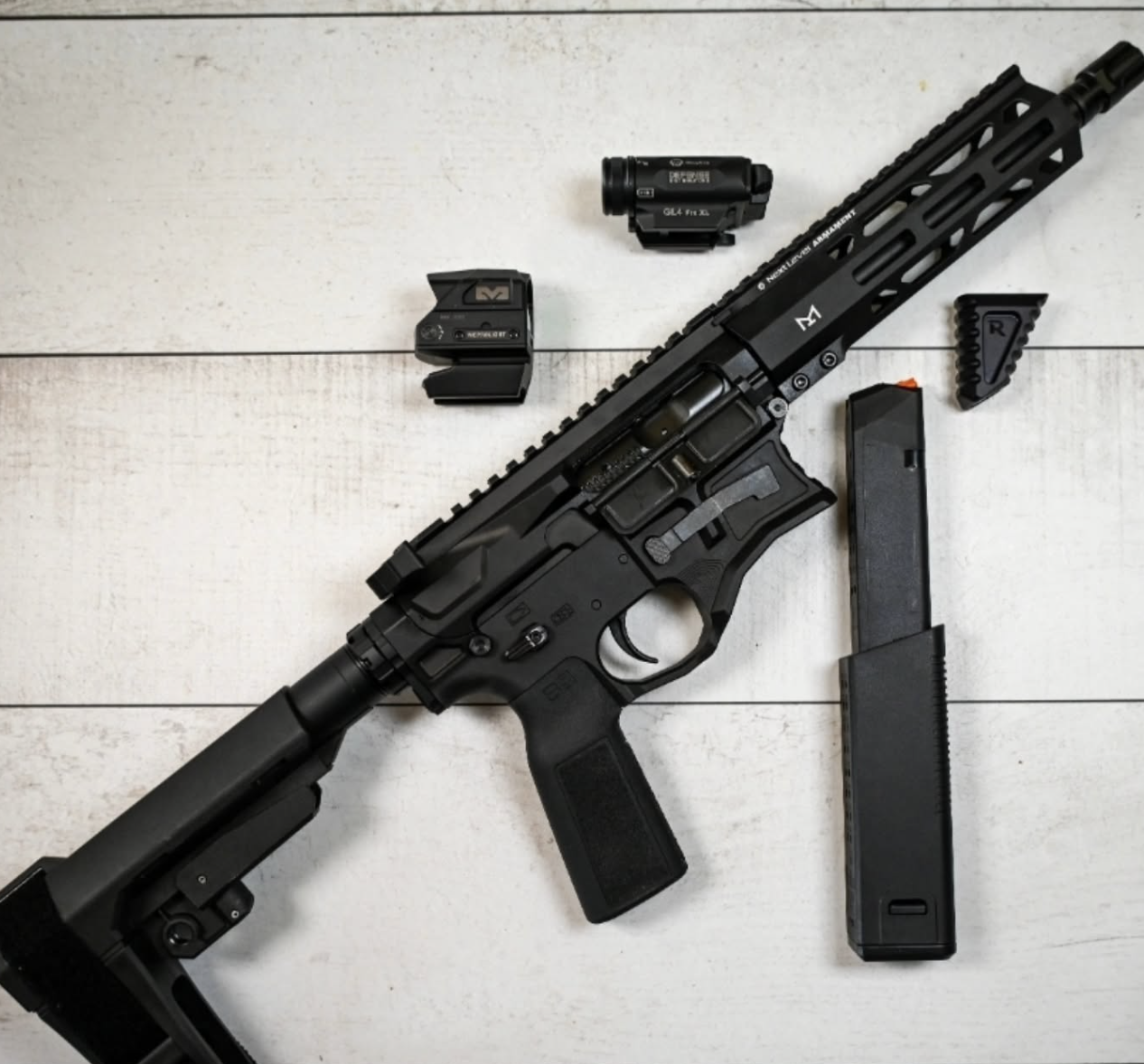
A 9mm AR is popular for indoor ranges and competition, but it lacks the versatility of rifle calibers.
Pros:
-
Very low recoil
-
Affordable practice ammunition
-
Ideal for PCC competition
Cons:
-
Limited effective range
-
Different operating system and magazines
-
Reduced terminal performance
Best For:
-
Training and range use
-
New shooters learning fundamentals
A 9mm AR is a great supplement, but not ideal as your only or first AR rifle.
Recoil, Cost, and Ammo Availability Matter
When choosing your first AR caliber, consistency matters more than raw power. A caliber that is affordable and easy to shoot will encourage regular training and skill development.
5.56 NATO continues to stand out for:
-
Predictable recoil
-
Long-term ammo availability
-
Compatibility with standard AR components
Buying or Building Your First AR with Next Level Armament
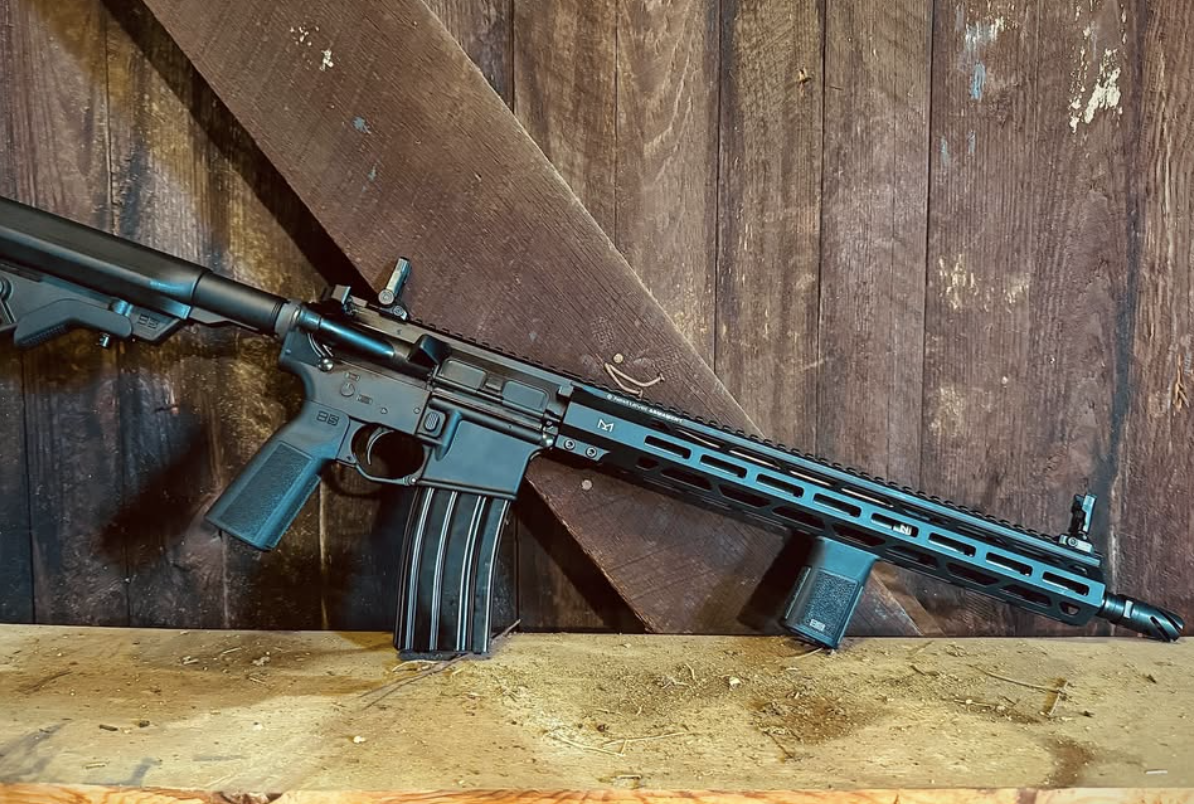
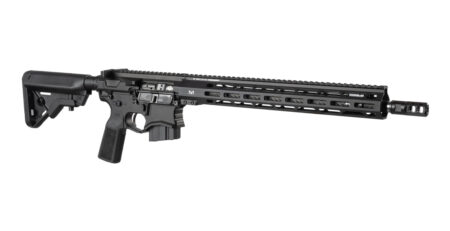
Whether you want a complete, ready-to-run rifle or prefer to build your own, Next Level Armament is a strong option for first-time AR owners. Whether you are right handed or left handed, there is a rifle or build kit that can suit your needs.
Why Choose Next Level Armament
-
High-quality pre-built AR platforms
-
Precision-machined components and parts
-
Options for multiple calibers, including 5.56 NATO and .300 Blackout
-
Trusted manufacturing standards and attention to detail
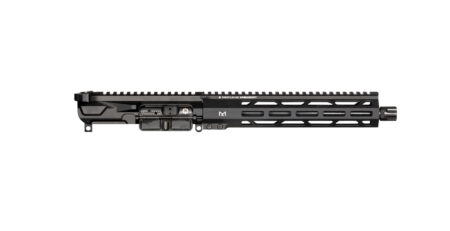
For beginners, purchasing a pre-built AR ensures proper assembly, headspacing, and reliability right out of the box. For those interested in learning the platform, Next Level Armament also offers the parts needed to build a custom AR tailored to your caliber choice and intended use.
Starting with quality components reduces headaches, improves performance, and sets a solid foundation for future upgrades, as well as cleaning.
Legal and Practical Considerations
The laws and regulations surrounding building or buying an AR platform, or any firearm for that matter, will vary from state to state and town to town. Always verify your local and state laws regarding:
-
Magazine capacity
-
Barrel length
-
Overall rifle configuration
Choosing a common caliber like 5.56 NATO simplifies compliance and ensures access to compliant magazines and parts.
Final Thoughts: Keep Your First AR Simple and Versatile
For most shooters, 5.56 NATO or .223 Wylde is the best caliber for a first AR. It offers unmatched versatility, affordability, and long-term support. Once you gain experience, you can explore specialized calibers like .300 Blackout or 7.62×39.
Pairing the right caliber with a quality rifle or components—especially from a trusted manufacturer like Next Level Armament—ensures your first AR is reliable, effective, and enjoyable to own.
Be sure to check out Next Level Armament and follow us on Instagram!


Leave a Reply
You must be logged in to post a comment.